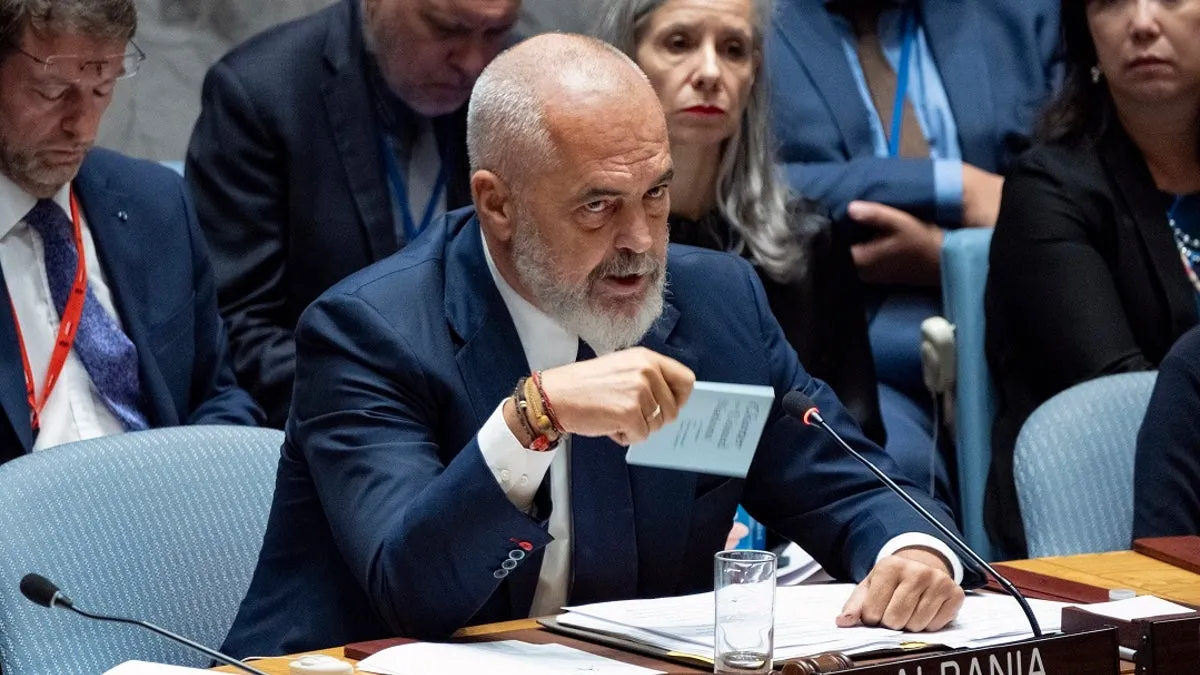
Before recent developments, Edi Rama’s tenure as Prime Minister of Albania was marked by a steady but modest growth in foreign investment, averaging between 300-400 million euros annually. This figure reflected a cautious optimism among investors regarding Albania’s economic potential, yet concerns about corruption lingered in the political discourse.
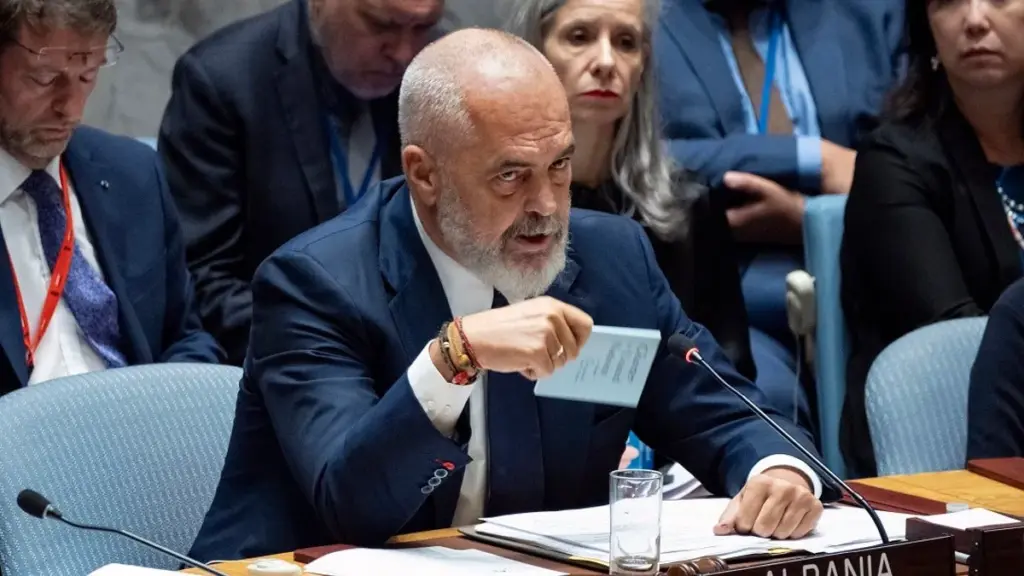
However, a decisive moment occurred when Rama held a meeting with representatives from the Albanian entrepreneurship sector, focusing on the construction industry. This engagement coincided with a remarkable surge in foreign investment, which skyrocketed to over 1.5 billion euros. Rama attributed this increase to higher taxes paid by businesses, rejecting allegations of corruption that have been levied against his administration.
In stark contrast, opposition leader Sali Berisha has been vocal in his criticism of Rama’s government. He accused Rama of transforming the Parliament into a mere facade, claiming it serves as a shield for corrupt practices. Berisha’s assertions highlight a growing discontent among opposition ranks, particularly regarding the transparency of parliamentary proceedings.
Berisha’s accusations are not without context; he has pointed out that parliamentary debates are often postponed, which he argues undermines the principles of democracy and accountability. He stated, “The parliament has become the most shameful shield in history for the thefts of Albanian citizens,” emphasizing the perceived erosion of legislative integrity.
Furthermore, Berisha has raised specific allegations against members of Rama’s cabinet, claiming that individuals like Balluku are implicated in corrupt activities. He also noted that the court had terminated the mandate of Olta Xhaçka, further fueling the narrative of instability within the ruling party.
Rama, on the other hand, remains steadfast in his defense, asserting that those who criticize his administration are merely expressing frustration over its successes. He stated, “So those who talk today about an Albania gripped by corruption are gripped by their own throats by anger at success,” framing the opposition’s narrative as a reaction to his government’s achievements.
This ongoing clash between Rama and Berisha illustrates a significant divide in Albanian politics, where economic progress is juxtaposed with allegations of corruption and mismanagement. The contrasting perspectives on the role of Parliament and governance reflect deeper societal tensions regarding accountability and transparency.
As Albania continues to navigate its path toward European Union integration, the implications of these political dynamics will be crucial. The interplay between Rama’s economic policies and Berisha’s criticisms will likely shape the future political landscape of the country.
Details remain unconfirmed regarding the full impact of these developments on Albania’s political stability and public perception of governance.